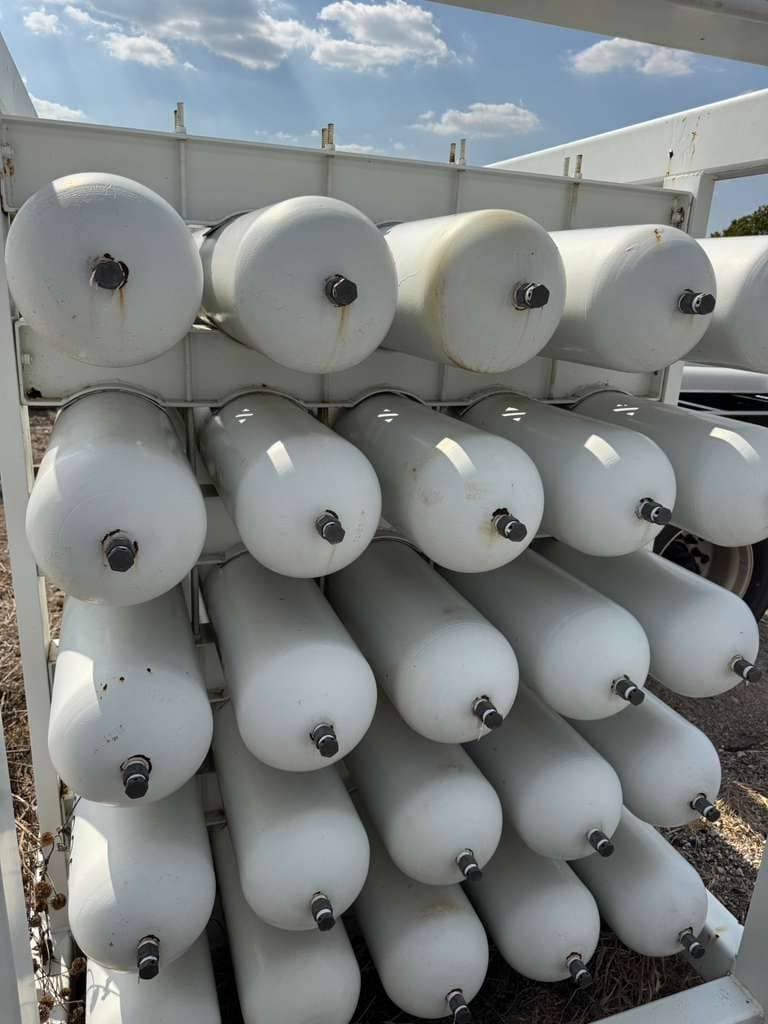
CNG Station Decommissioning
Operational Protocol
Removal
Process
Controlled Venting
Natural gas is vented to atmosphere through a specialized pressure-reducing manifold at a strictly controlled rate of 1 cubic foot per minute. Venting is conducted at a minimum height of 15 feet above ground to ensure safe dispersion of methane — preventing any flammable ground-level accumulation.
Sniff Testing
Before the full venting sequence initiates, a minor release and sniff test is performed to confirm that combustible odors are not pooling or detectable in the immediate vicinity. Only after confirmed clearance does sustained venting begin.
Exclusion Zones
The entire facility perimeter is completely barricaded and closed to all pedestrian and vehicle traffic for the full duration of the venting process. Exclusion zones remain enforced until atmospheric monitors confirm zero combustible concentrations.
LOTO & Monitoring
Strict Lockout/Tagout protocols are applied to all associated electrical and compressor equipment. Continuous atmospheric monitoring with appropriate PPE is required for every onsite technician throughout all operational phases.
Component Disconnection
Once confirmed at zero pressure, each cylinder — often weighing upwards of 190 lbs — is individually disconnected from the manifold. Only non-sparking, non-magnetic tools forged from beryllium copper or aluminum bronze alloys are used for all mechanical disconnections in the hydrocarbon-rich environment.
Infrastructure Deconstruction
Cold-cutting techniques sever stainless steel process piping without generating sparks. Multi-stage natural gas compressors and fueling dispensers are methodically extracted. Hot cutting is never permitted at any stage of the operation.
Material Disposition
Structurally sound, non-expired equipment is assessed for asset recovery. End-of-life cylinders are permanently drilled through or sectioned per NFPA 52 requirements and then scrapped. Drained compressor fluids and degraded piping are manifested to certified recycling or hazardous waste disposal facilities.
Regulatory Matrix
Safety &
Compliance
NFPA 52
Three-Step Cylinder Destruction
Condemned and end-of-life cylinders undergo a mandatory three-step procedure: (1) purge with inert gas, (2) physically render unusable by drilling or sectioning, (3) scrap per manufacturer instructions. CNG cylinders have strict useful lifespans of 15, 20, or 25 years — none can be requalified for extended use.
CSA EXP 2.1
Premier Best Practice Standard
The CSA Group's EXP 2.1 is the recognized industry-leading document for defueling, decommissioning, and disposing of end-of-life CNG containers. All operations adhere to its comprehensive, step-by-step procedural guidance.
Written Procedures
Documented Compliance
NFPA 52 mandates that any facility decommissioning CNG tanks must maintain and follow specific written procedures for defueling and inspection. All our decommissioning scopes are executed against pre-approved, signed written protocols.
Joule-Thomson Effect
Auto-Refrigeration Control
Rapid gas release from 3,000–4,300 psi systems triggers extreme auto-refrigeration that can freeze and shatter valves. Depressurization at precisely 1 cfm directly manages this thermodynamic effect, preventing frozen valve failures and uncontrolled pressure events.
Timeline Reality
Safely venting a standard mid-sized CNG station with 40 cylinders — holding approximately 15,700 cu. ft. of natural gas at 3,000 psi — requires 5 to 6 continuous weeks at 1 cfm. Compressed schedules are not possible without compromising atmospheric safety.
Our Capability
Engineered for
High Pressure
Pressure-Reducing Manifold Systems
Specialized venting manifolds control gas release at precisely 1 cfm, managing the Joule-Thomson auto-refrigeration effect and maintaining safe atmospheric dispersion at a minimum of 15 feet above grade.
Non-Sparking Tool Inventory
All mechanical disconnections are performed exclusively with beryllium copper and aluminum bronze alloy tools — the only materials safe for use in high-concentration hydrocarbon environments.
Full Asset Recovery Assessment
Structurally sound, non-expired components are evaluated for resale or redeployment to offset project costs. EOL cylinders are permanently and compliantly destroyed before leaving the site.
Common Questions
FAQ
A complete CNG station decommissioning typically takes 1 to 4 weeks depending on the number of dispensers, storage capacity, and site restoration requirements. Simple single-dispenser sites can be completed in under a week, while large fleet fueling installations with multiple compressor packages require more extensive planning and execution.
In many cases we can phase the work to keep portions of the station operational while other sections are being decommissioned. This is especially common for fleet operators who need to transition vehicles to a new fueling location. We work with your operations team to develop a phased schedule that minimizes downtime.
CNG cylinders are evaluated based on age, condition, and certification status per NFPA 52 standards. Cylinders that are still within their service life and pass inspection can be resold or redeployed. Expired or damaged cylinders are safely depressurized, rendered unusable, and recycled in accordance with DOT regulations.
Yes, most jurisdictions require environmental permits for CNG station decommissioning, particularly for soil disturbance, compressor fluid disposal, and noise management. We handle all permitting and agency coordination as part of our turnkey service, including final environmental clearance documentation for property transfer.
Project costs vary based on station size, equipment condition, and site restoration scope. We provide detailed estimates after a site assessment and often offset 15 to 30 percent of costs through our asset recovery program. Every proposal includes a transparent line-item breakdown so there are no surprises.
More Capabilities