Our Process
Operational Protocol
5-Phase
Execution
Site Assessment & Valuation
Our specialists conduct a full HAZOP study, structural integrity inspection, and environmental baseline assessment before a single valve is touched. We document existing pressures, product inventory, soil conditions, and proximity to occupied structures. Commercial valuation of recoverable assets is performed in parallel to identify cost-offset opportunities before scope is finalized.
Permitting & Logistics Planning
Decommissioning of industrial gas infrastructure triggers a web of overlapping regulatory requirements — EPA closure notifications, municipal hot-work permits, DOT oversize/overweight transport authorizations, and state-level hazardous waste manifests. We map every permit pathway on day one, identify long-lead items, and coordinate route surveys for loads exceeding 30,000 gallons or 40-ton compressor skids.
Purging, Disconnection & Dismantling
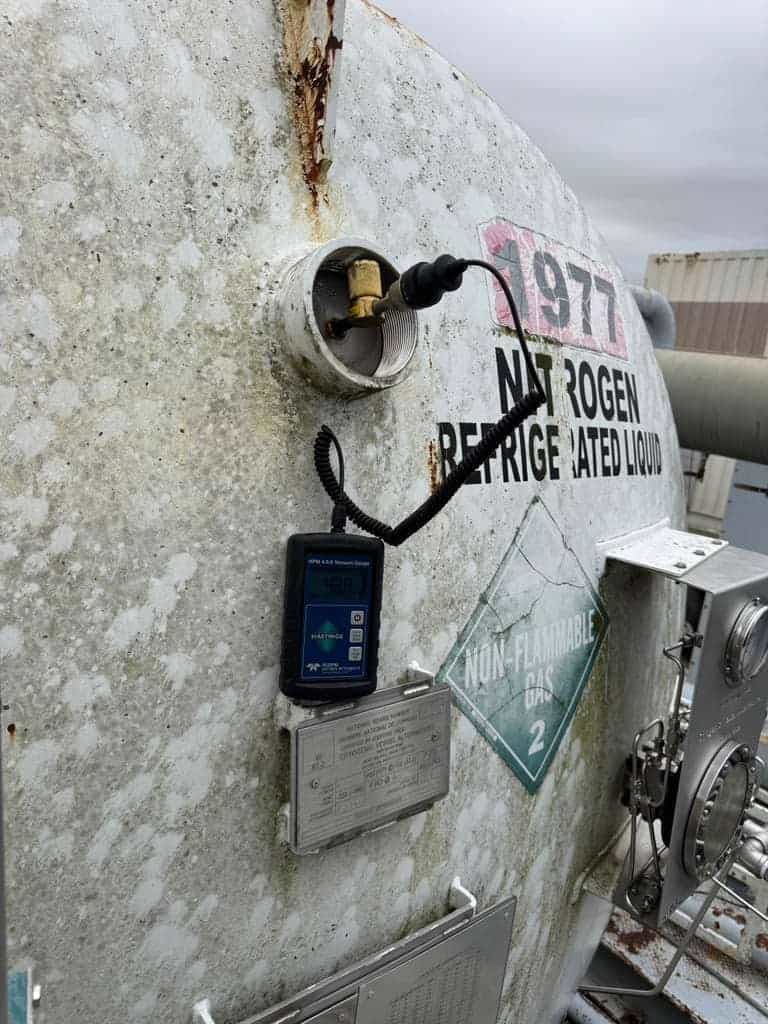
All process lines are blinded and flanged before disconnection. LOTO (Lockout/Tagout) protocols are applied to every energy source. Residual product is drained, recovered, or vaporized using nitrogen purging rigs. We do not begin any cutting operation until continuous atmospheric monitoring confirms 0% LEL throughout the vessel and surrounding work zone. Cold-cutting diamond wire saws eliminate all ignition sources.
Heavy Transport & Haul-Away
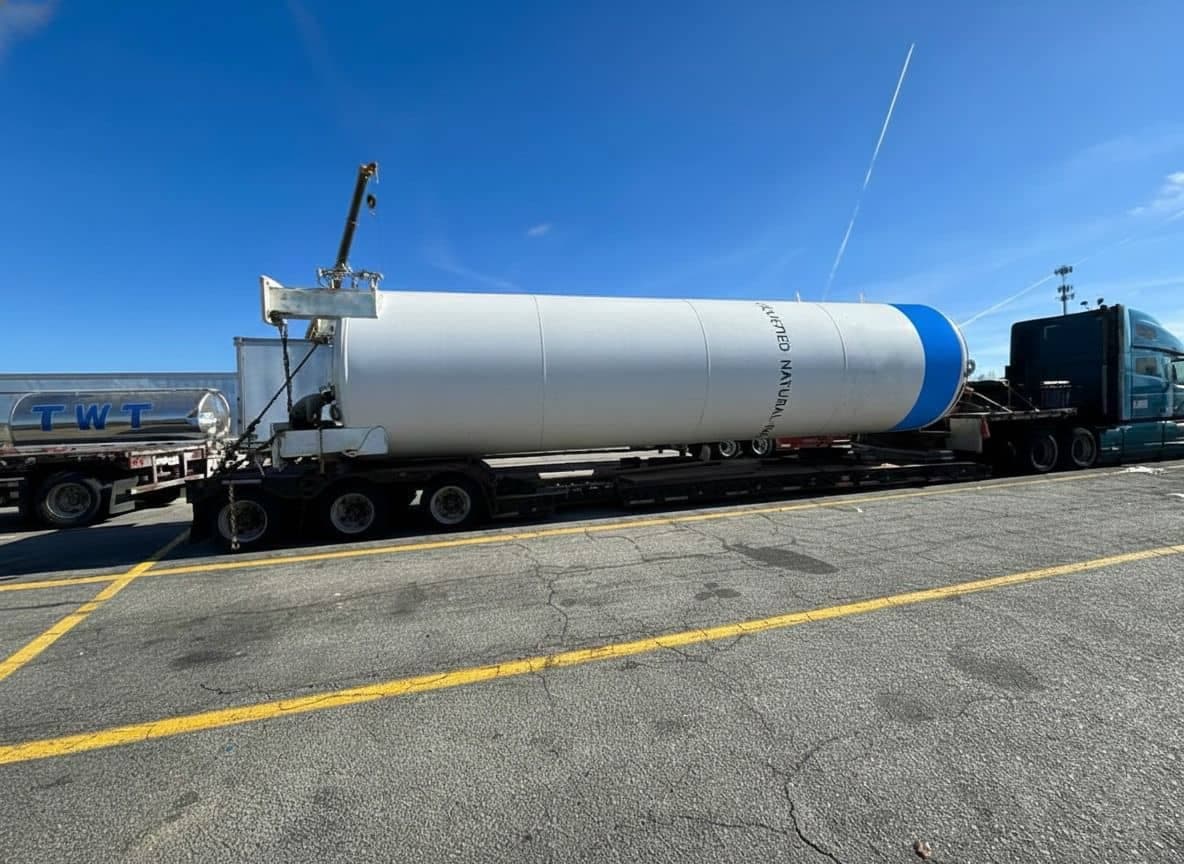
Removal of large-format tanks and compressor skids requires crawler cranes rated to 100 tons, hydraulic gantries, and specialized SPMT trailers. Our critical lift plans account for ground-bearing pressure, overhead clearances, and wind load restrictions. Manifested hazardous wastes are transported to permitted TSDFs under full chain-of-custody documentation.
Final Site Remediation & Reporting
After structure removal, subsurface investigation confirms no soil or groundwater impact from legacy product releases. Samples are submitted to accredited laboratories and compared against applicable risk-based screening levels. We generate the complete closure package: EPA-mandated certifications, photographic documentation, waste manifests, and a final engineering report suitable for regulatory submission or real estate transfer.
Regulatory Matrix
What We
Solve
DOWNTIME
Operational Continuity
Facility shutdowns cost money every hour. Our pre-planned removal sequence minimizes the window between final product evacuation and site handback, keeping adjacent operations running wherever possible.
CERCLA
Environmental Liability
Improper decommissioning creates CERCLA Superfund exposure that can outlast the original operation by decades. We document every step to close the liability loop — soil sampling, waste manifests, and certified closure reports.
COST CLARITY
Unknown Total Costs
Scope surprises on decommissioning projects are common when contractors lack subsurface and regulatory experience. We provide fixed-scope pricing after our Phase 1 assessment, with asset recovery credits applied against the final invoice.
TRANSPORT
Specialized Permitting
Moving a 30,000-gallon cryogenic tank on public roads requires oversize permits, route surveys, pilot cars, and utility coordination. We manage the full DOT authorization chain so the load moves on schedule.
INCIDENT RISK
Catastrophic Incident Prevention
Residual LNG, CNG, LOX, or LN2 in an improperly decommissioned vessel is a detonation waiting to happen. Our 0% LEL verification protocol and cold-cutting mandate eliminate ignition risk at the source.
Field Documentation
Heavy Transport — 30,000-Gal LNG Vessel
DOT Oversize · Specialized SPMT Trailer
Our Capability