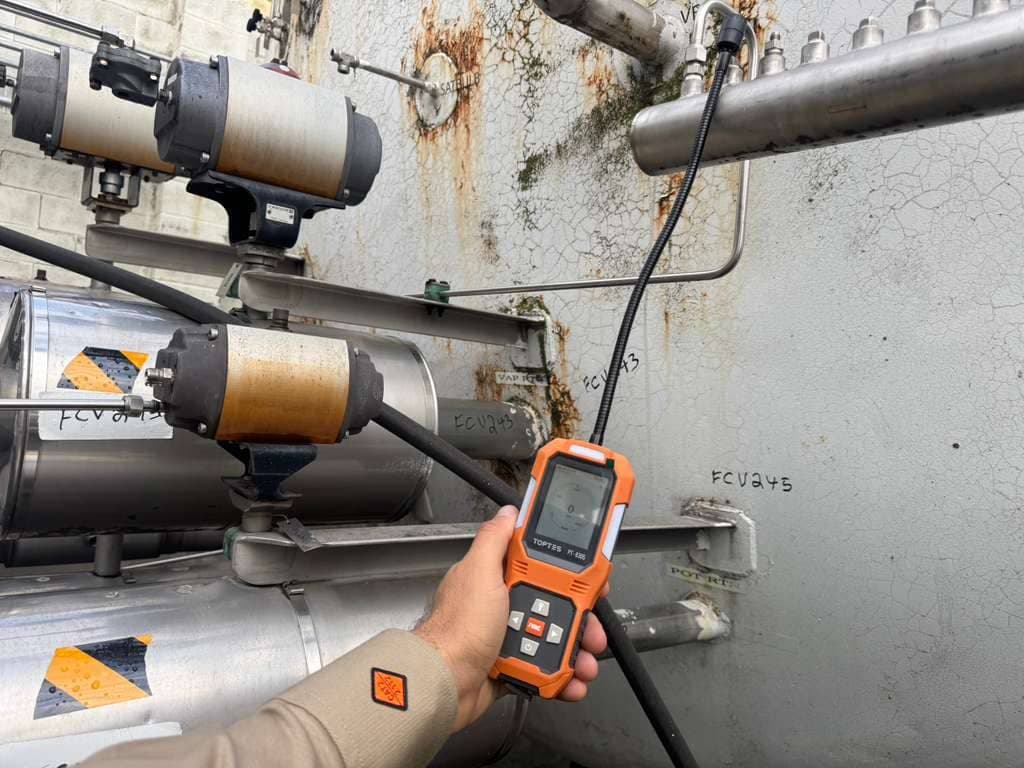
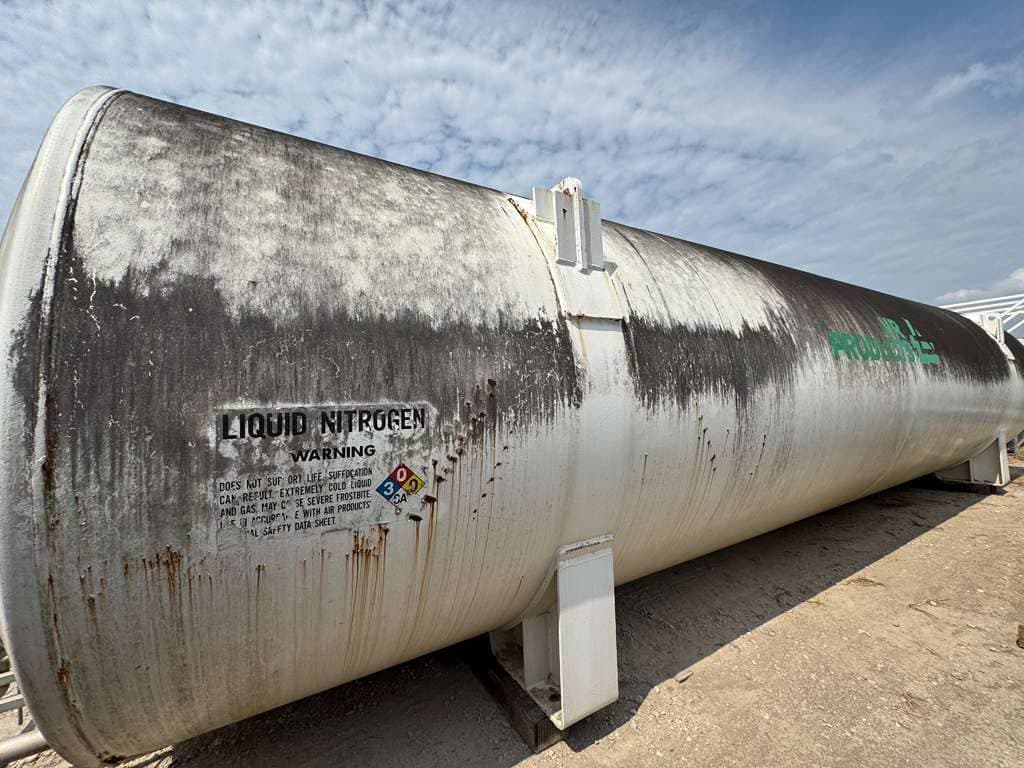
Oxygen Tank Removal
Project Brief
Project
Details
Scope
LOX Vessel Extraction & Inert Purge
Location
Healthcare Campus — Texas
Equipment Type
Liquid Oxygen (LOX) Cryogenic Vessel
Key Challenge
Oxidizer-enriched atmosphere elimination before any mechanical work
Field Documentation
Oxygen Tank Removal
LOX Vessel Extraction & Inert Purge
Site Photography
Project
Photos
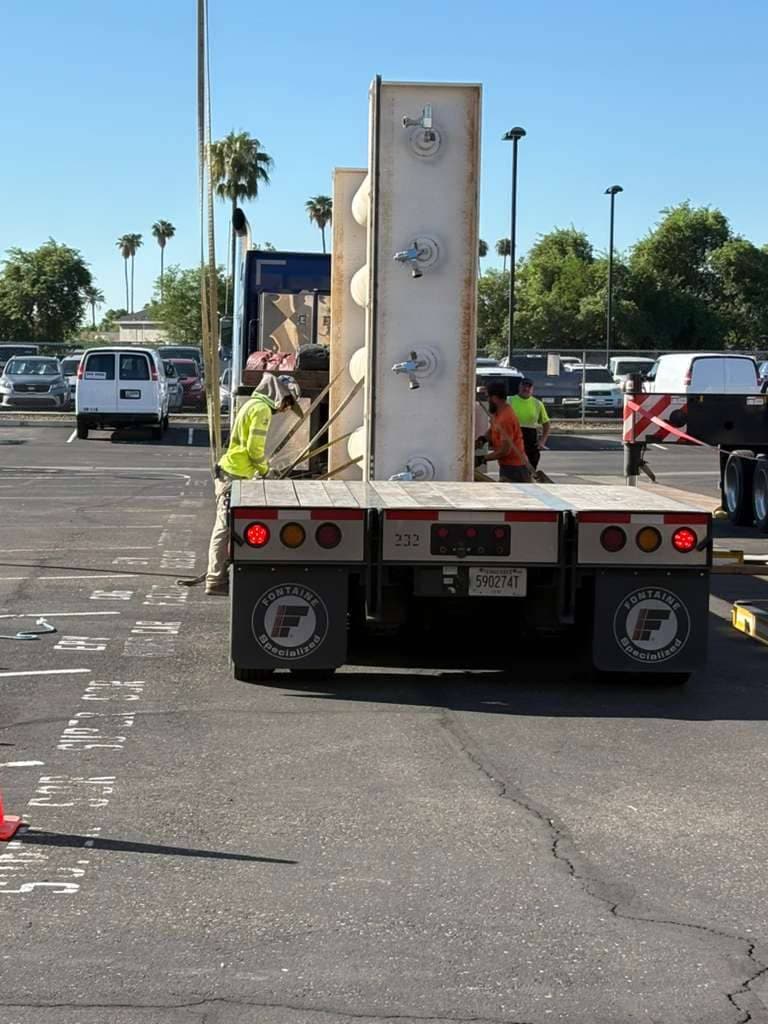
Inerting Setup
N₂ purge rig · LOX vessel connection
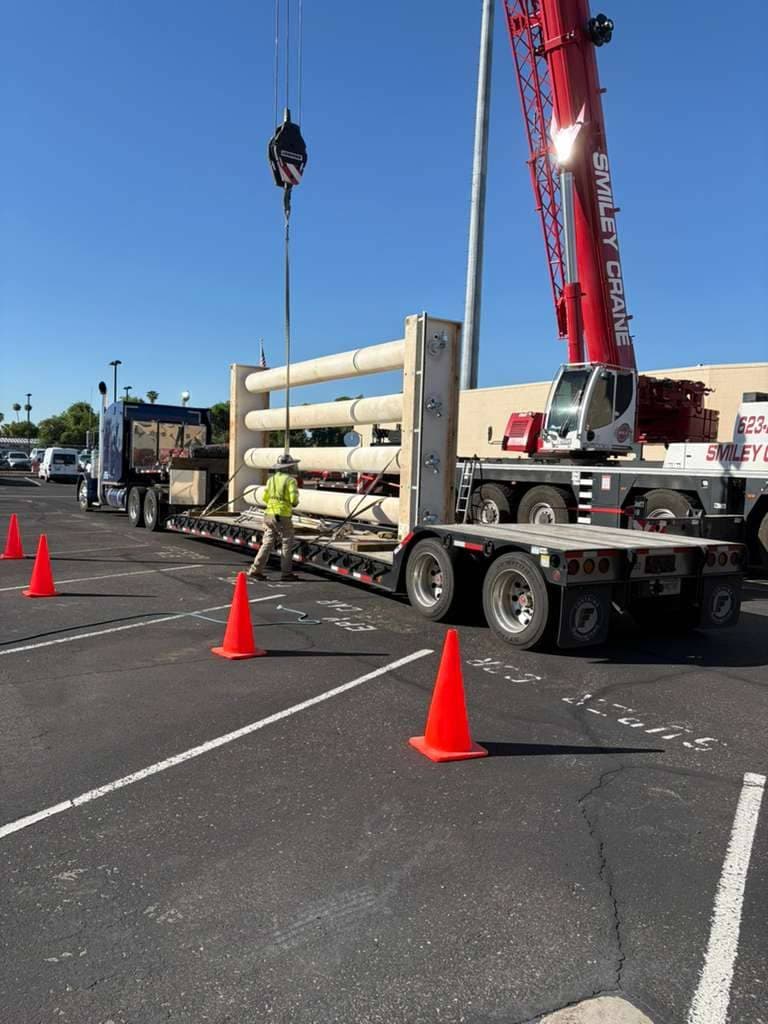
Purge In Progress
O₂ concentration monitoring active
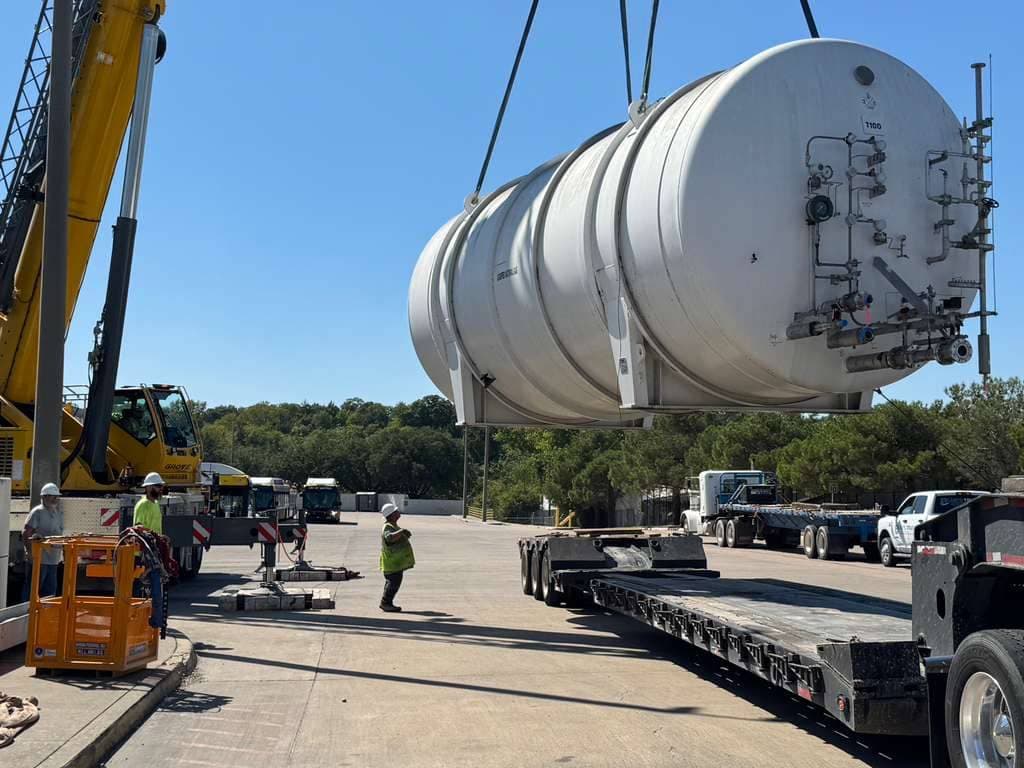
Vessel Cleared
Below 23% O₂ · mechanical work begins
Engineering Notes
Technical
Breakdown
LOX HAZARD
Oxidizer Risk Management
Liquid oxygen significantly accelerates combustion. All organic materials, oils, and greases were removed from a 3-meter radius around the vessel before purging commenced. No petroleum-based lubricants permitted on any tools or fittings within the work boundary.
N₂ INERT
Nitrogen Inerting Protocol
Vessel purged with gaseous nitrogen until oxygen concentration inside the vessel dropped below 2% and ambient oxygen concentration at the work boundary measured below 23%. Three consecutive measurements required before work proceeds.
NFPA 55
Compressed/Cryogenic Gas Standard
Decommissioning performed to NFPA 55 requirements for compressed gases and cryogenic fluids. Closure notification submitted to AHJ. Facility oxygen system disconnection coordinated with healthcare operations team to maintain patient continuity.
OXIDIZER PURGE
LOX Residual Management
Residual liquid oxygen vaporized using controlled warm-up procedure. Vented to atmosphere at safe discharge height with no personnel downwind. Final vessel temperature confirmed above -50°C before nitrogen purge commenced.
Next Step
Schedule Your
Site Audit
Our project managers are ready to assess your facility, identify regulatory requirements, and provide a fixed-scope decommissioning proposal.