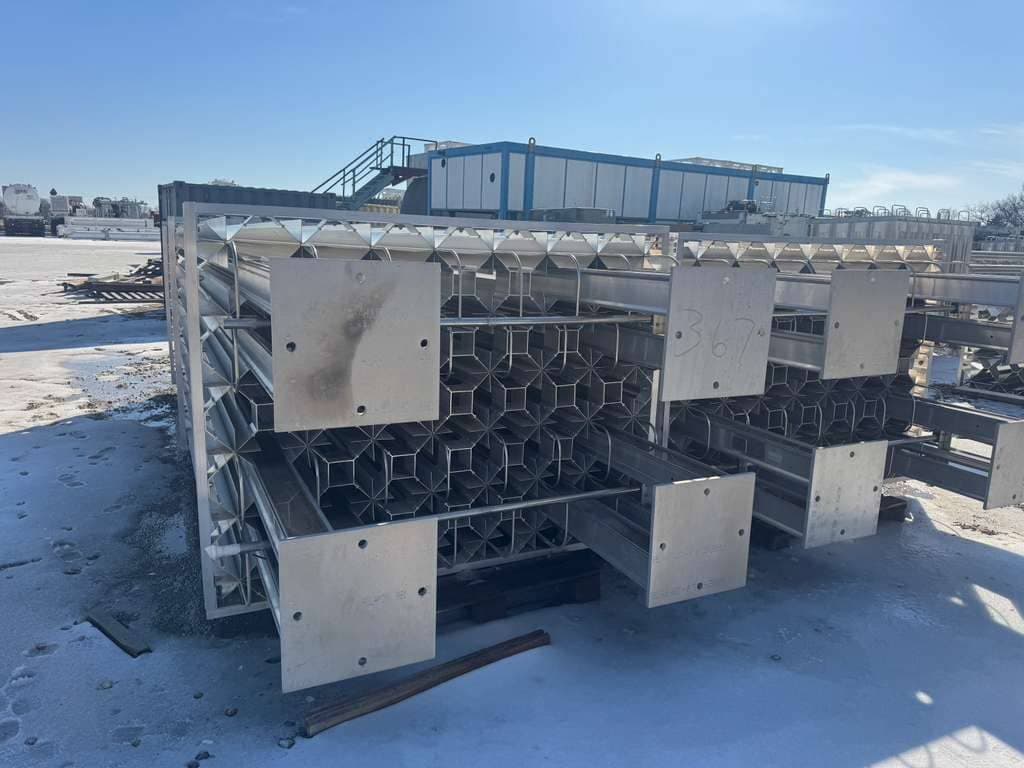
Nitrogen Purging Rig
Project Brief
Project
Details
Scope
Inerting System Deployment & Operation
Location
Industrial Facility — Southwest
Equipment Type
N₂ Inert Purge System
Key Challenge
Thermal shock prevention during rapid cryogenic system inerting
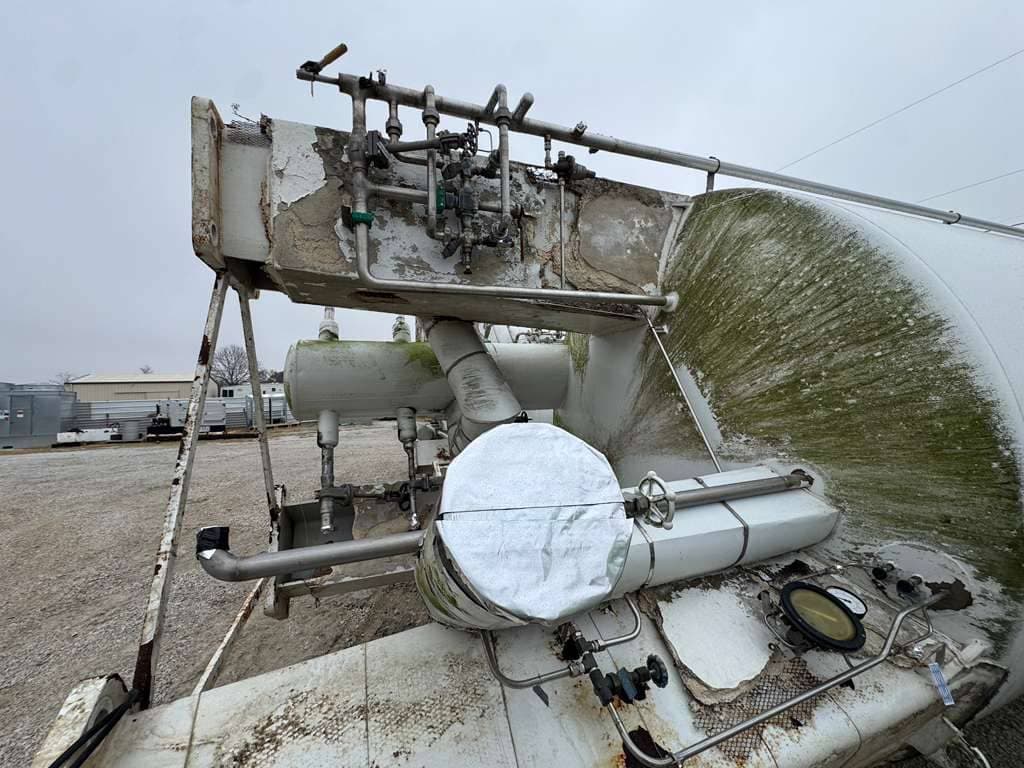
Field Documentation
Nitrogen Purging Rig
Inerting System Deployment & Operation
Site Photography
Project
Photos
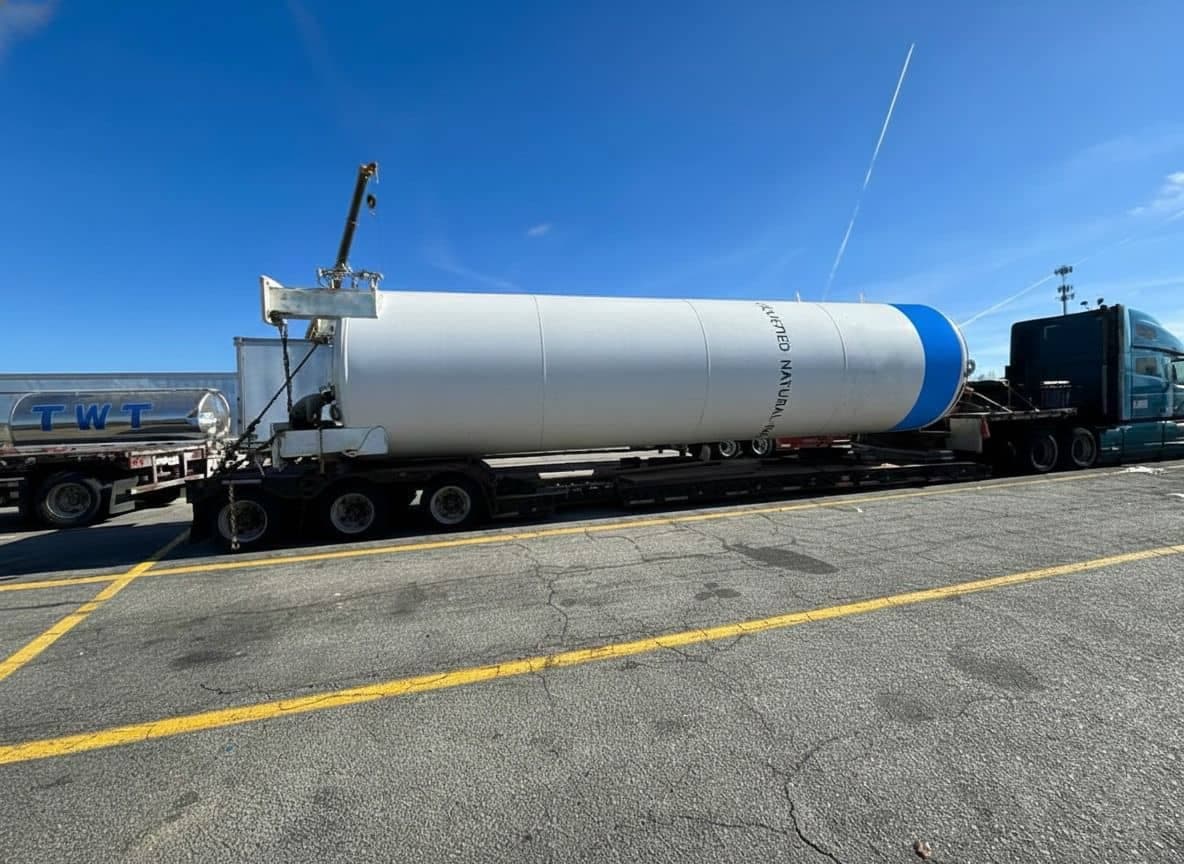
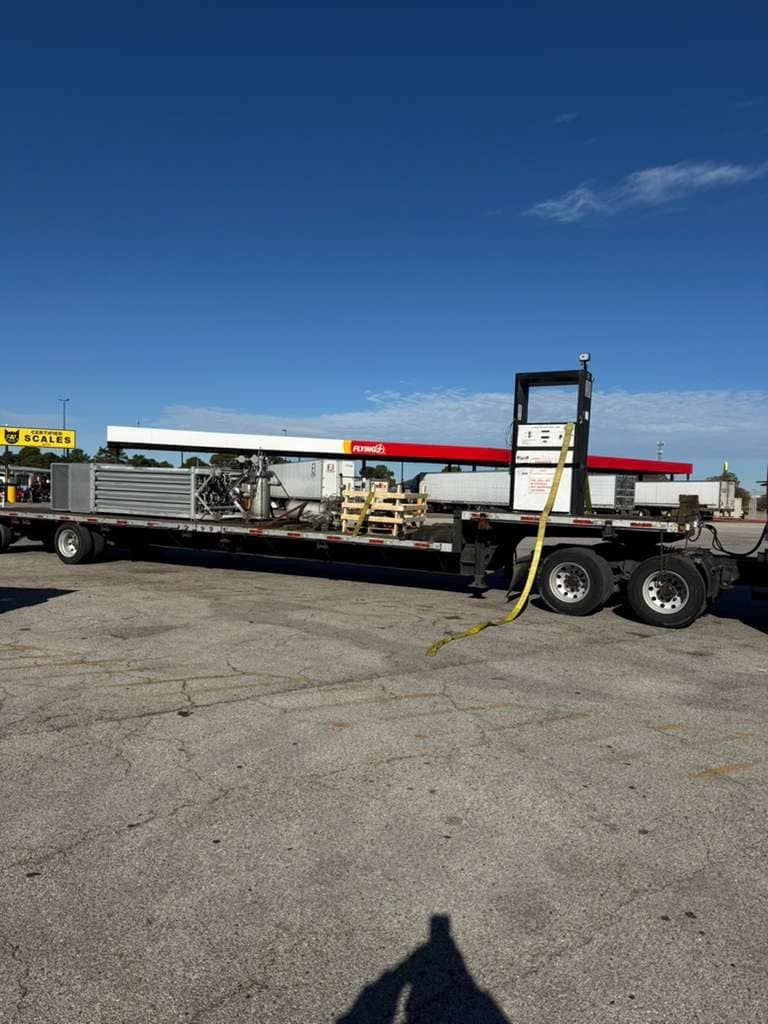
Purge Rig Deploy
N₂ manifold connection
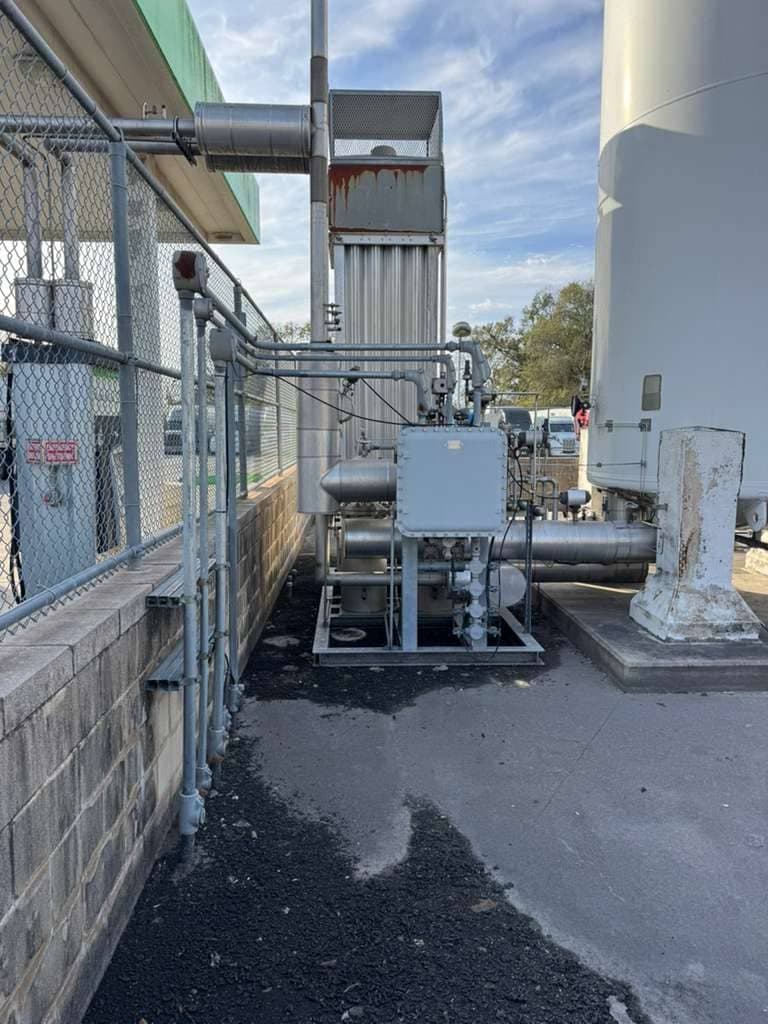
Boundary Monitoring
ATEX gas detection array
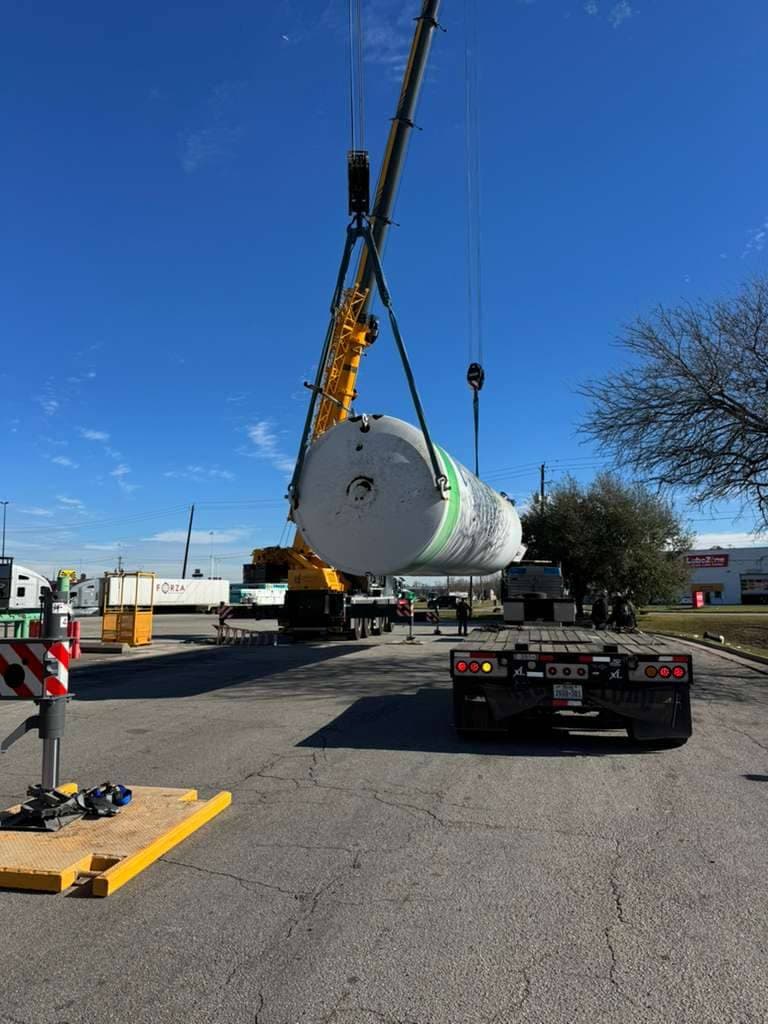
Vent Stack Active
Controlled vapor release
Post-Purge Verify
0% LEL confirmation log
Engineering Notes
Technical
Breakdown
N₂ INERT
Nitrogen Inerting Protocol
Vessels purged with gaseous nitrogen until oxygen content dropped below 2% and combustible gas readings reached 0% LEL. Process repeated until three consecutive clean readings were logged.
THERMAL SHOCK
Cryogenic Shock Prevention
Controlled warm-up procedure implemented prior to nitrogen introduction to prevent thermal shock cracking of vessel walls. Temperature differential managed within 20°C/hour ramp rate.
ATEX RATED
Explosion-Proof Equipment
All purging equipment certified to ATEX Category 1G for Zone 0 environments. No non-ATEX electrical equipment permitted within the 5-meter exclusion boundary during active purging.
HAZWOPER
Emergency Response Standby
HAZWOPER-certified crew maintained on-site standby throughout all purging operations. Emergency response plan filed with local LEPC prior to mobilization.
Next Step
Schedule Your
Site Audit
Our project managers are ready to assess your facility, identify regulatory requirements, and provide a fixed-scope decommissioning proposal.