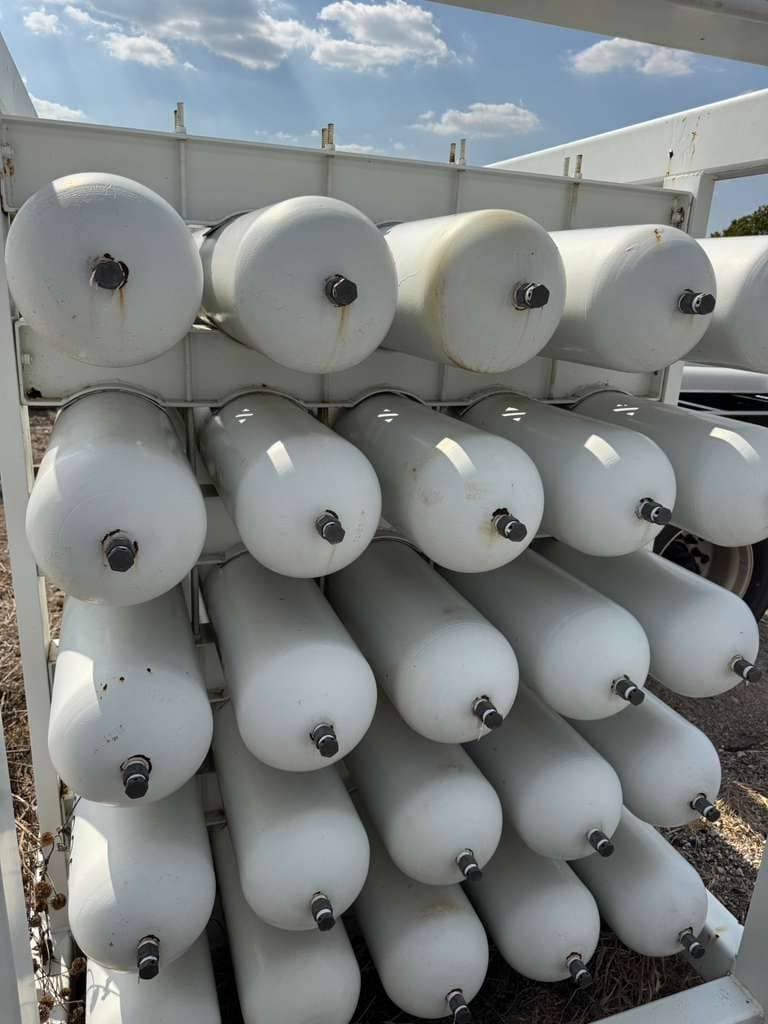
Cryogenic System Removal
Project Brief
Project
Details
Scope
Vacuum-Jacketed Vessel Extraction
Location
Medical Gas Facility — Texas
Equipment Type
Cryogenic N₂/O₂ Double-Wall Vacuum Tank
Key Challenge
Vacuum jacket integrity during vessel manipulation and extraction
Field Documentation
Cryogenic System Removal
Vacuum-Jacketed Vessel Extraction
Site Photography
Project
Photos
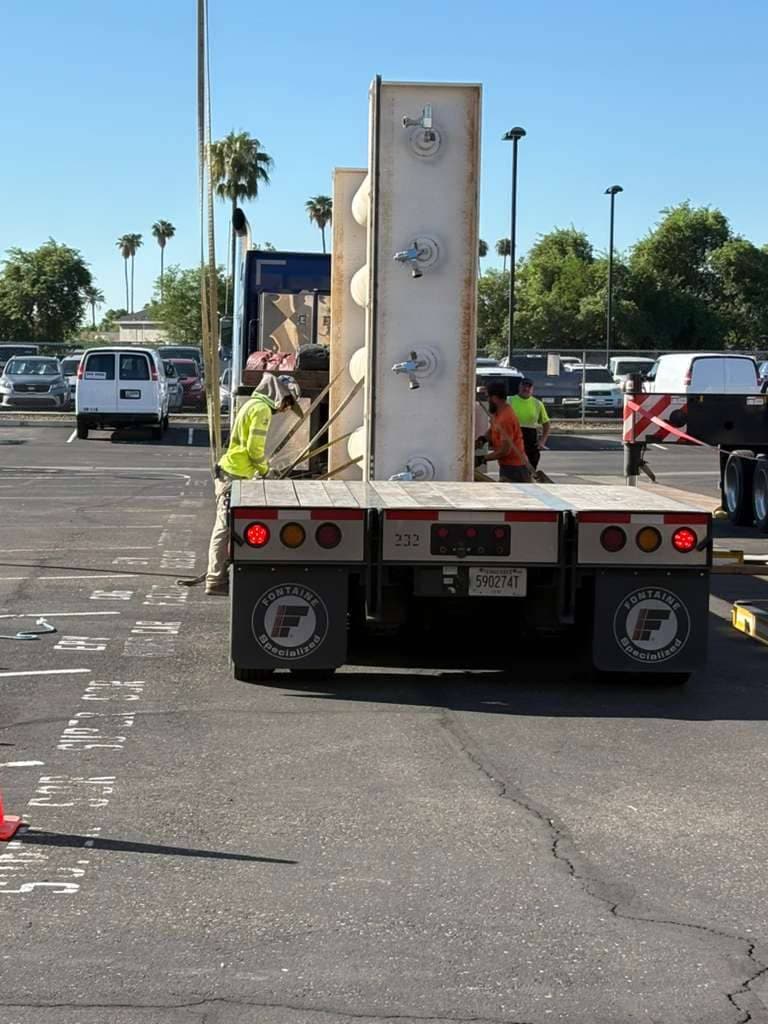
Jacket Inspection
Vacuum integrity assessment pre-lift
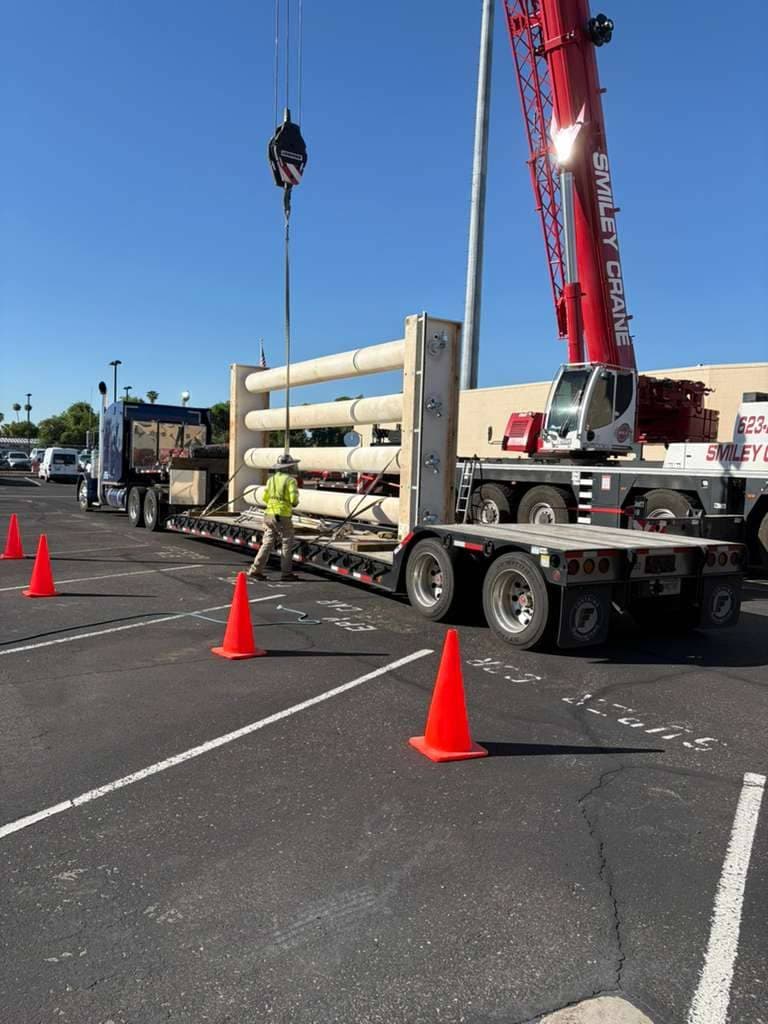
Vessel Rigging
Spreader bar · rated sling assembly
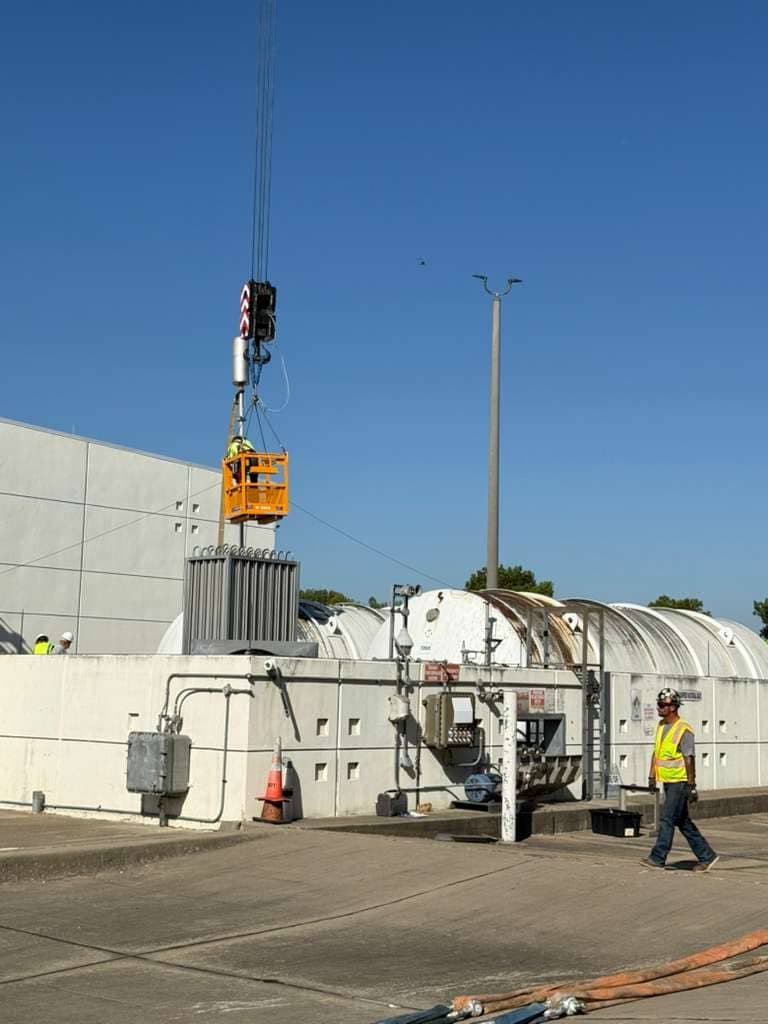
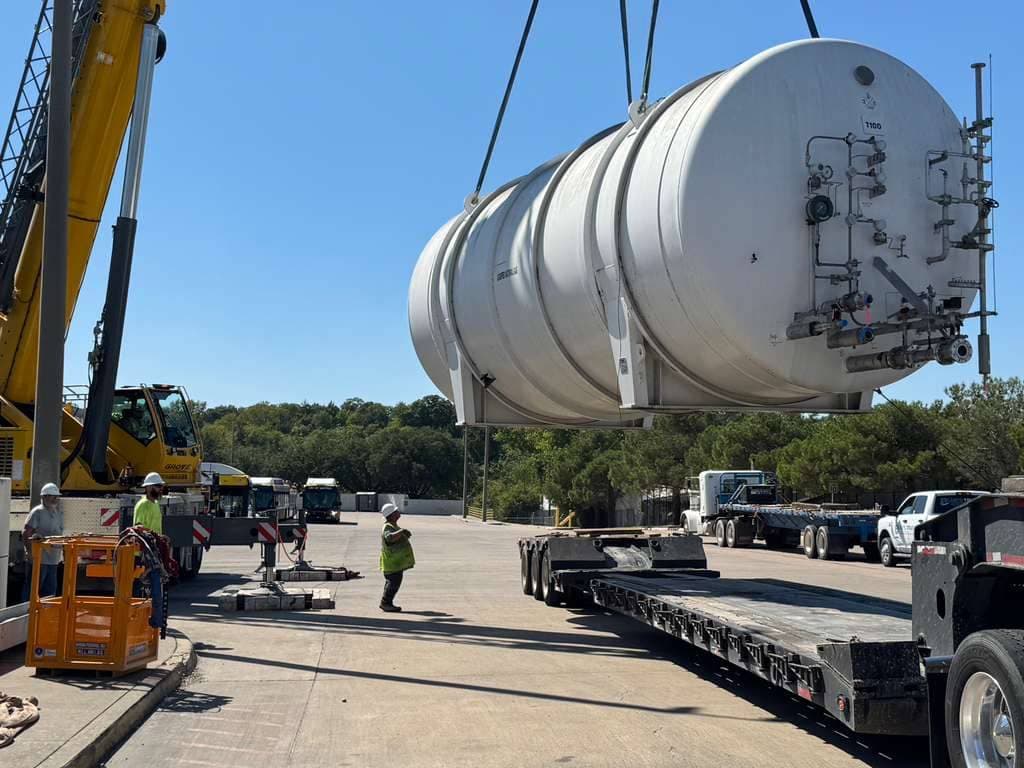
Extract Complete
Vessel clear of foundation — staged for transport
Engineering Notes
Technical
Breakdown
-196°C HANDLING
Cryogenic PPE Protocol
All crew within 3 meters of vessel during product removal wore cryogenic face shields, insulated gloves, and leather outerwear. Liquid nitrogen contact protocol and emergency flush stations positioned at two points around the vessel.
VACUUM JACKET
Double-Wall Extraction
Engineered rigging plan specified spreader bar and four-leg sling assembly to distribute lift load across the outer jacket without inducing point loads. Jacket vacuum pressure verified before and after rigging attachment.
N₂ PURGE
Full Inerting Before Disconnection
Inner vessel purged with gaseous nitrogen to displace residual cryogenic liquid. Boil-off routed through a controlled vent stack to atmosphere at a safe discharge height above all personnel positions.
HAZWOPER
Cryogenic Emergency Response
HAZWOPER-certified crew on standby with Level B ensemble for cryogenic liquid release response. Emergency procedures rehearsed during pre-job safety briefing. Nearest trauma center identified and route pre-driven.
Next Step
Schedule Your
Site Audit
Our project managers are ready to assess your facility, identify regulatory requirements, and provide a fixed-scope decommissioning proposal.